Even if you always brush and floss, your teeth may suffer damage. Some could chip or crack from a physical injury, while others get cavities from harmful bacteria. Still, there’s a solution to these sorts of oral dilemmas: dental crowns in Chelsea! These tooth-colored caps protect and beautify your smile at the same time. That being the case, those from Healthy Smiles Dental Care deliver stellar results. If you’d like to learn more, just keep reading or book an appointment today.
What is a Dental Crown?
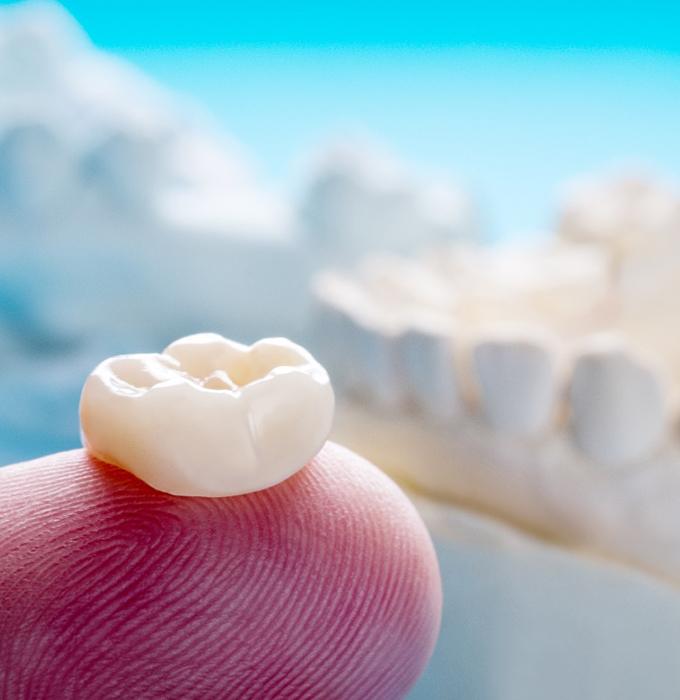
In essence, a dental crown is a cap that restores a damaged tooth. It strengthens and adorns the treated area by covering the latter with enamel-colored material. As such, dentists will use one to make your smile safer and prettier.
Given their features, dental crowns best suit patients with one (or more) of the following:
- A greatly worn or broken tooth
- Cavities that a filling can’t treat
- Teeth that recently underwent root canal therapy
- Misshapen or discolored teeth
- A weak smile that needs support to avoid fracturing
All that said, the only way to confirm your treatment candidacy is to see our dentists. They’ll assess the affected tooth (or teeth) to see if crown treatment would help.
The Dental Crown Process
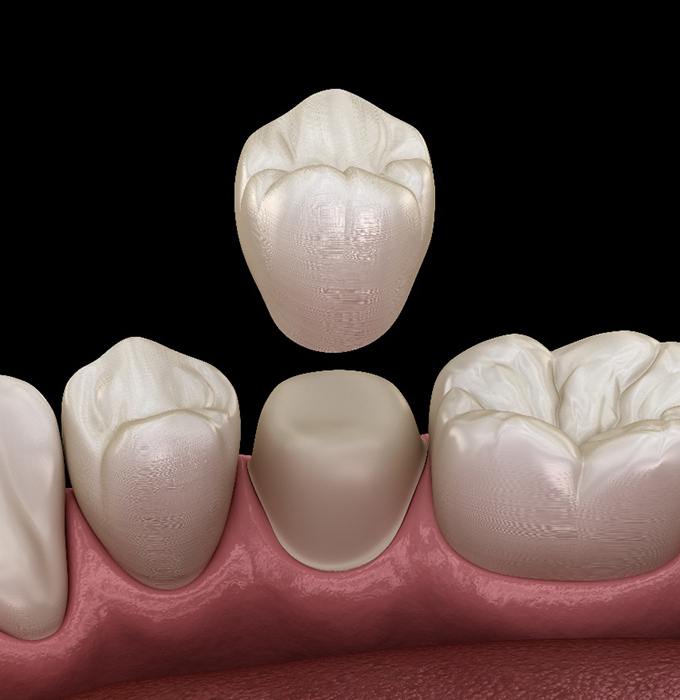
Unlike other practices, we offer traditional dental crowns and CEREC® same-day ones. Your treatment process will differ depending on which type you get.
To receive traditional crowns, you must attend several dental visits over multiple weeks. The first is a consult where our dentists learn your treatment goals, oral health history, and more. If treatment is approved, this visit also prepares your teeth for the final crowns. You’ll receive the completed caps at a later appointment after a few weeks.
In contrast, CEREC® same-day crowns involve much less time. They allow patients to receive the finished product(s) in a one-hour visit. As such, they combine the consultation, prep work, and placement into a single appointment.
The Benefits of Getting a Dental Crown
Left untended, a damaged tooth will develop oral problems over time. Fortunately, a dental crown can prevent such issues and offer benefits like:
- A Beautiful Smile: By relying on tooth-colored porcelain, our dental crowns blend seamlessly with adjacent teeth. That means they’ll fit right in with the rest of your smile!
- Tooth Protection: A crown covers a tooth’s damaged area, protecting it from further harm. As a result, the cap prevents future infection and the need for a later root canal.
- Versatility: Crowns can treat a wide range of tooth damage – decay, cavities, chips, and more.
- Long-Lasting Results: Given proper care, a dental crown can last 15 years or more.
Understanding the Cost of Dental Crowns

Restoring your smile with dental crowns is essential if you previously suffered from damaged or decayed teeth. At Healthy Smiles Dental Care, our team understands, though, that this process can cause many patients to worry about the required expense. This is why we’ve made it easy to learn more about the financial side of these custom restorations. To discover more about the cost of dental crowns in Chelsea, keep reading or give our office a call today.
Learn More
Factors That Affect the Cost of Dental Crowns
Custom-made dental crowns are crafted by skilled lab technicians who take their time to produce beautiful, natural-looking restorations. As only part of the process, you can expect that your dentist will consider the following factors before drafting a cost estimate:
- Where your damaged or decayed tooth exists
- How extensive is the problem area?
- The porcelain that will be used to craft your new crown(s)
- Whether you will need gum disease treatment or any other preliminary care before receiving your dental crown(s)
- Whether the crown will be created in our office or by lab technicians offsite
Does Dental Insurance Cover Dental Crowns?
One component that assures many patients is the fact that most dental insurance companies do offer coverage for dental crowns. Deemed as a medical necessity for the betterment of a person’s oral health, your insurance may agree to cover anywhere from 50-80% of the total cost. Our team will be pleased to review your plan, determine if you’ve met your deductible, find out how much of your existing annual maximum exists, and file any claims so that you can stress less about your upcoming appointment.
Other Options for Making Dental Crowns Affordable
If you are without a private dental insurance plan, you have the option of enrolling in our Dental Savings Plan. This makes it easy for you to pay a yearly membership fee so that you can gain access to preventive care. You’ll also receive discounts on other available services while avoiding the restrictions that many dental insurance companies carry.
There is also the option of applying for flexible financing. By controlling the payment process and making manageable monthly installments, you can avoid paying for the entirety upfront so that you can focus more on your treatment and less on the financial aspects.
What Are Dental Crowns Made Of?
Historically, dentists have relied on amalgam dental crowns because the metallic mixtures used are strong enough to withstand the everyday pressure of biting and chewing. However, thanks to more contemporary technology and materials, today many dentists offer restorations made from durable, tooth-colored materials instead.
Our practice in Chelsea offers traditional dental crowns and CEREC same-day prosthetics made from resilient ceramic that reflects light more naturally like enamel. It can also be customized to resemble the size, shape, and hue of your teeth for beautiful, lifelike results.
Are Dental Crowns Permanent?
Some patients are unsure whether dental crowns are intended to be frequently removed and replaced like dentures. However, these tooth-shaped caps aren’t intended to be removed once they’re cemented in place except by a professional, like one of our providers in Chelsea.
Furthermore, for them to fit correctly, a small amount of enamel must be removed from the underlying tooth. This protective outer layer doesn’t regenerate, which makes this an irreversible change to your smile. With that said, dental crowns not necessarily considered permanent because they tend to wear down over time and might eventually need to be replaced.
How Long Do Dental Crowns Usually Last?
Your new prosthetic can enhance your damaged tooth’s appearance and functionality, and it’s only natural to want to take advantage of its many benefits for as long as possible. Fortunately, these restorations often last anywhere from 5 to 15+ years, though it can depend on your individual circumstances.
For instance, metallic dental crowns sometimes last longer, though the difference is often negligible. Meanwhile, if your prosthetic is placed over an injured molar, it might wear down faster due to additional pressure from biting and chewing. Typically, routine maintenance can significantly contribute to its longevity.
Do Dental Crowns Get Cavities?
Our team provides covers made from resilient ceramic that are less porous than enamel. Plus, they’re not made of the same organic materials, meaning they won’t develop decay. However, that doesn’t mean they’re completely invincible. You must care for them carefully to prevent potential harm.
For example, brushing and flossing twice daily helps remove plaque and bacteria that can cause cavities or gum disease to develop in the underlying tooth, which can destabilize your restoration or cause it to fail. You should also visit our team twice a year for a routine checkup and cleaning, so we can monitor your condition and catch areas of concern, such as a damaged crown, before they progress.
Dental Crowns FAQs