
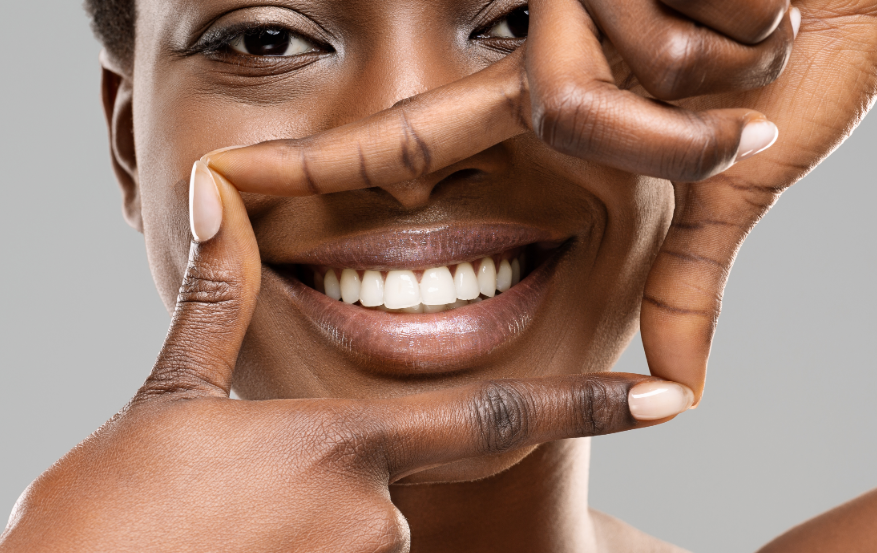
Teeth whitening is one of the most popular cosmetic dental treatments, and it’s easy to see why. A brighter smile can boost confidence, enhance your appearance, and make you feel more polished in everyday life. With so many over-the-counter whitening products available, it can be tempting to jump right in and start whitening at home.
However, whitening your teeth without professional guidance isn’t always as safe or effective as it seems. In fact, in some cases, it can lead to increased sensitivity, uneven results, or even damage to your teeth and gums.
That’s why consulting your dentist before starting any whitening treatment is an important first step.
Not All Teeth Are Ready for Whitening
Before recommending any whitening treatment, your dentist will first check your overall oral health. This is important because whitening products are designed for healthy teeth and gums only.
If you have issues such as:
- Untreated cavities
- Gum disease or inflammation
- Exposed tooth roots
- Cracked or damaged enamel
whitening products can worsen discomfort and potentially lead to further complications.
In some cases, addressing these underlying issues first is necessary before cosmetic treatment can safely begin.
Overuse of Whitening Products Can Cause Damage
It’s easy to assume that if a little whitening works well, more must be better—but that’s not the case. Overusing whitening products, especially at-home kits or strips, can lead to several problems.
These may include:
- Tooth sensitivity
- Gum irritation or burns
- Uneven whitening results
- Enamel weakening over time
When used too frequently or incorrectly, whitening agents can strip away moisture from the teeth and irritate soft tissues in the mouth.
A dentist can help you understand the correct frequency and strength of whitening treatments for your specific needs.
Why Professional Guidance Matters
One of the biggest advantages of consulting your dentist is getting a treatment plan tailored specifically to your smile. Not all discoloration is the same, and different causes require different approaches.
Your dentist can determine whether your staining is:
- Surface-level (caused by coffee, tea, or food)
- Internal (caused by aging, medications, or trauma)
- Related to enamel thinning or dental conditions
Based on this evaluation, they can recommend the safest and most effective whitening option for you—whether that’s in-office whitening, custom take-home trays, or another cosmetic treatment entirely.
Avoiding Uneven or Disappointing Results
Without professional supervision, whitening products can sometimes produce uneven results. For example, existing dental work like crowns, veneers, or fillings will not whiten the same way natural teeth do. This can lead to a mismatched smile if treatment isn’t planned properly.
A dentist can help ensure that whitening enhances your entire smile evenly and may suggest alternative cosmetic options if whitening alone won’t achieve your desired results.
Whitening Is Most Effective on a Healthy Smile
Professional whitening doesn’t just improve appearance—it works best when your mouth is healthy. A dental exam before treatment ensures that any underlying concerns are addressed first, which helps improve both safety and results.
By starting with a professional consultation, you’re setting yourself up for a brighter smile that lasts longer and looks more natural.
About the Practice
Healthy Smiles Dental Care of Chelsea provides comprehensive dental care with a focus on preventive, restorative, and cosmetic treatments, including professional teeth whitening. The practice is led by a dedicated team of dentists, committed to helping patients achieve healthy, confident smiles through personalized care and modern dental technology.
Call us at (734) 475-8911 or schedule your appointment online.